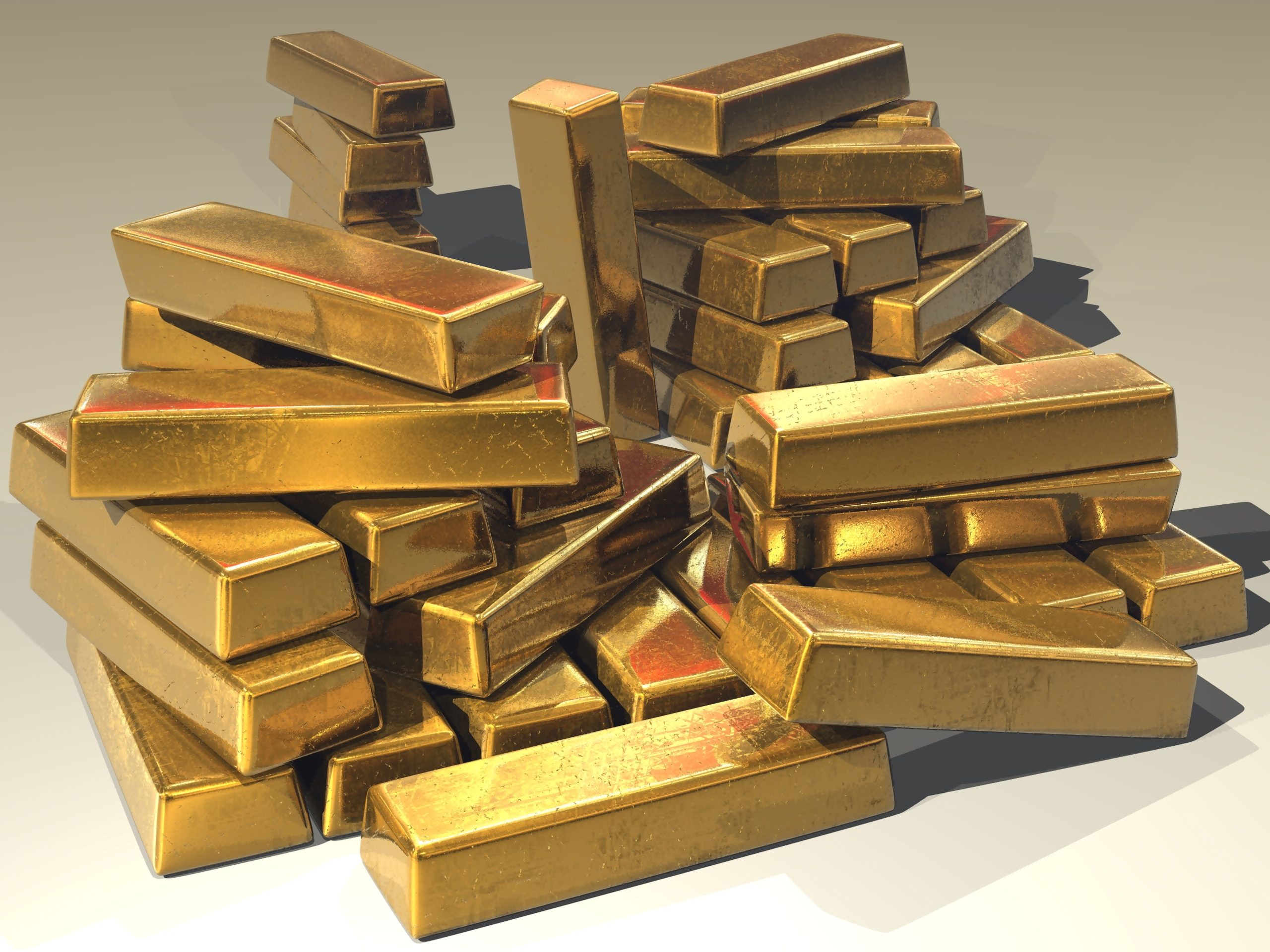
A surprising data point from last year sets the tone. Total gold demand in 2025, including OTC activity, topped 5,000 tonnes for the first time, and the market logged dozens of fresh all-time highs along the way. (World Gold Council) That’s not the kind of backdrop you’d expect for an asset that doesn’t generate cash flow, doesn’t innovate, and doesn’t “grow” in the usual business sense. Yet bullion keeps finding its way back into the center of the conversation—sometimes as a hedge, sometimes as a signal, sometimes as a plain old expression of uncertainty.
Here’s the thing: even talking about “the” price of gold can be a little misleading. The widely used benchmark in London—the LBMA Gold Price—is set through an electronic auction process and is administered independently by ICE Benchmark Administration (IBA), with governance designed to align with global benchmark principles. (LBMA) Around that benchmark sits a layered ecosystem: physical bars moving through vaulting hubs, futures contracts used for hedging and speculation, ETFs acting like a high-speed on-ramp for investors, and OTC flows that can be large but less visible. When people say “gold is up,” they’re often summarizing the net effect of all those lanes merging into one headline number.
The real-rate tug of war
If a bar of gold doesn’t pay interest, why do markets treat it like it’s competing with bonds? The simple way to think about it is opportunity cost. When real (inflation-adjusted) yields are meaningfully positive, holding a non-yielding asset can feel like choosing a parking spot that charges a fee. When real rates are low or negative, that “fee” shrinks, and suddenly the parking spot looks a lot less expensive. Researchers at the Chicago Fed have framed the metal as being especially sensitive to expected long-term real interest rates, with an inverse relationship often showing up in the data. (Federal Reserve Bank of Chicago)
What’s interesting is that the inflation story gets oversimplified. Gold is often described as an “inflation hedge,” but the more nuanced framing is that it tends to respond to the credibility of policy and the direction of real returns. The IMF has highlighted that when real interest rates turn negative—when cash or bonds deliver less than inflation—gold can look relatively more attractive, not because it’s magically tied to CPI, but because the alternatives feel like they’re slowly leaking purchasing power. (IMF) That distinction matters, because it explains why the metal can sometimes rally in periods that don’t fit the usual “inflation is up” storyline, and also why it can stall even when prices in the real economy are rising.
A market that’s more institutional than it looks
That said, the most underappreciated shift in recent years might be who’s on the bid. Central banks—often patient, often strategic—have become a major part of the narrative. The IMF’s work on gold as reserves points out that after drifting down for decades, central bank gold holdings have risen since the Global Financial Crisis. (IMF) The logic is straightforward: reserve managers care about liquidity, safety, and diversification across regimes. Gold is nobody’s liability, it doesn’t depend on a single issuer’s balance sheet, and it can serve as a portfolio counterweight when confidence in paper claims wobbles.
It’s worth noting that this isn’t just passive hoarding. The World Gold Council’s survey of central banks has indicated an uptick in respondents actively managing their gold reserves, and “risk management” has grown as a cited motivation alongside return considerations. (World Gold Council) That’s a subtle but meaningful point. When reserve managers talk about “risk management,” they’re not chasing a trade; they’re trying to reduce single-point-of-failure exposure in the architecture of national balance sheets.
Then there’s the private side of the market, where flows can be fast and sometimes emotional. According to the World Gold Council, 2025 saw global gold ETF holdings grow by 801 tonnes (one of the strongest years on record), while bar and coin buying reached a 12-year high. (World Gold Council) This helps explain why the metal can move in bursts. ETFs are like a wide highway entrance: when risk appetite shifts, money can flood in or out quickly, and the price can gap before the slower physical market has time to respond.
So what does it all imply for how markets “read” gold?
One useful analogy is to treat gold less like a single asset and more like a thermometer that can be influenced by multiple hands. Sometimes the “temperature” rises because investors are worried about policy credibility or recession risk. Sometimes it’s the currency dimension—especially the U.S. dollar—changing the translation of global demand into a single quoted price. Sometimes it’s a structural rebalancing by institutions that don’t care about next quarter’s performance, only about long-run resilience. And sometimes it’s simply positioning and liquidity: when everyone crowds into the same hedge, the hedge itself becomes volatile.
The tricky part is that these drivers can point in different directions at the same time. Real yields might suggest one thing, while reserve diversification suggests another, while ETF flows amplify whichever narrative has the microphone that week. That’s why gold can feel “confusing” compared with equities (where earnings stories dominate) or bonds (where duration and policy are front and center). In bullion, the story is often about trust, and trust is hard to chart.
The lingering question is not whether gold will “work” in some universal sense. It’s who the marginal buyer is in the next chapter. A household buying coins behaves differently from a macro fund using futures, and both behave differently from a central bank shifting reserve composition. When stress returns to markets—as it always does eventually—which of those groups sets the price at the margin?
⚠️ *This article is for informational and educational purposes only. Nothing written here constitutes financial advice, a recommendation, or a solicitation to buy or sell any financial instrument or product. Always consult a qualified financial professional before making any investment decisions.*
Sources
- Gold Demand Trends: Q4 and Full Year 2025
- LBMA Gold Price
- What drives gold prices?;
- Gold's Lasting Luster
- Gold as International Reserves: A Barbarous Relic No More?
- Central Bank Gold Reserves Survey 2025
Featured image: Gold bullion bars (CC0, public domain) via Wikimedia Commons.